| |


NEAVS’ Project R&R: Release and Restitution for Chimpanzees in U.S. Laboratories’ ongoing national campaign needs your help. Visit www.releasechimps.org. To read a copy of the Great Ape Protection Act, please visit http://thomas.loc.gov/, and type in H.R. 1326 in the search bar. Follow the links to read the text.
Help stop the exploitation of Indonesia’s primates
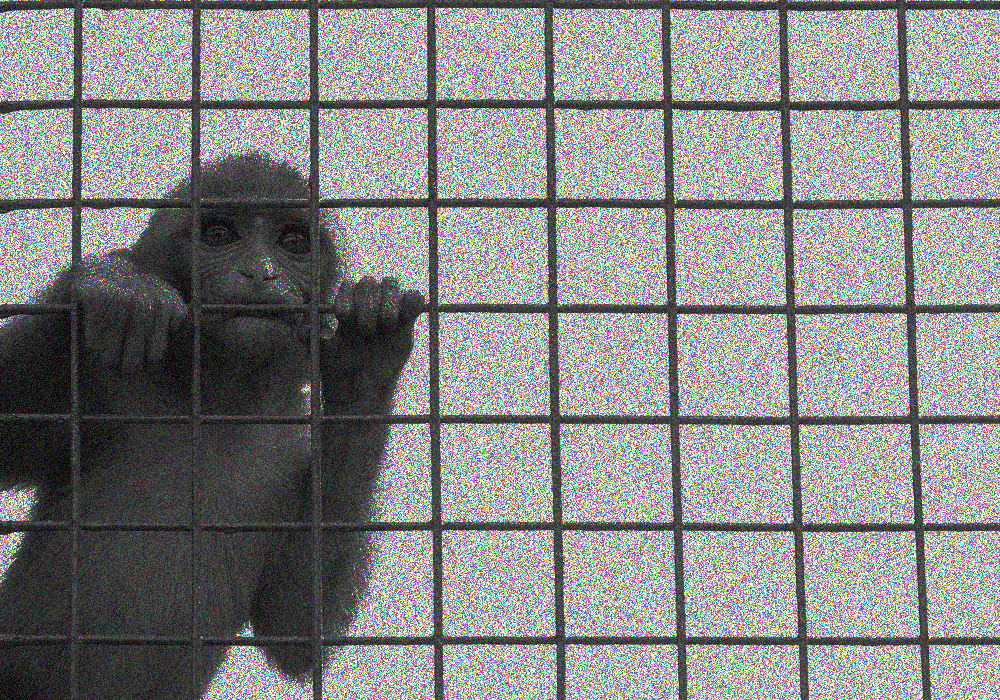
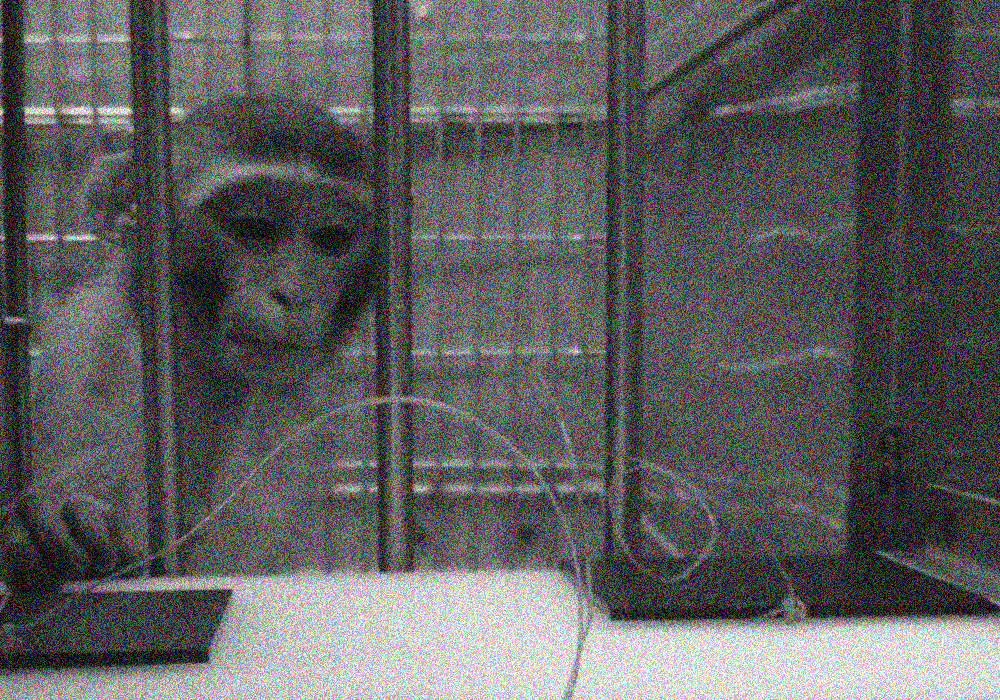
An investigation by the British Union for the Abolition of Vivisection (BUAV) has revealed a shocking trade in monkeys from Indonesia for the international research industry. The findings raise serious questions about Indonesia’s adherence to international animal welfare guidelines, breaches in its own laws and failures to comply with CITES (the Convention on the International Trade in Endangered Species) regulations. Read more
Europe Leaps Ahead with Cosmetic Testing Deadline
March 11, 2009. The Coalition for Consumer Information on Cosmetics (CCIC) and the European Coalition to End Animal Experiments (ECEAE), the animal protection organizations who administer the Leaping Bunny Program in the United States (U.S.),Canada, and Europe, join together to celebrate the end of animal testing for cosmetics in the European Union (EU). Read more
Take the Cruelty-Free Pledge!
The Coalition for Consumer Information on Cosmetics’ (CCIC) Leaping Bunny Program is urging consumers to make a difference for animals by making a New Year’s resolution to pledge to go cruelty-free in 2009! Read more
Help stop the import of primates from Cambodia into the U.S.
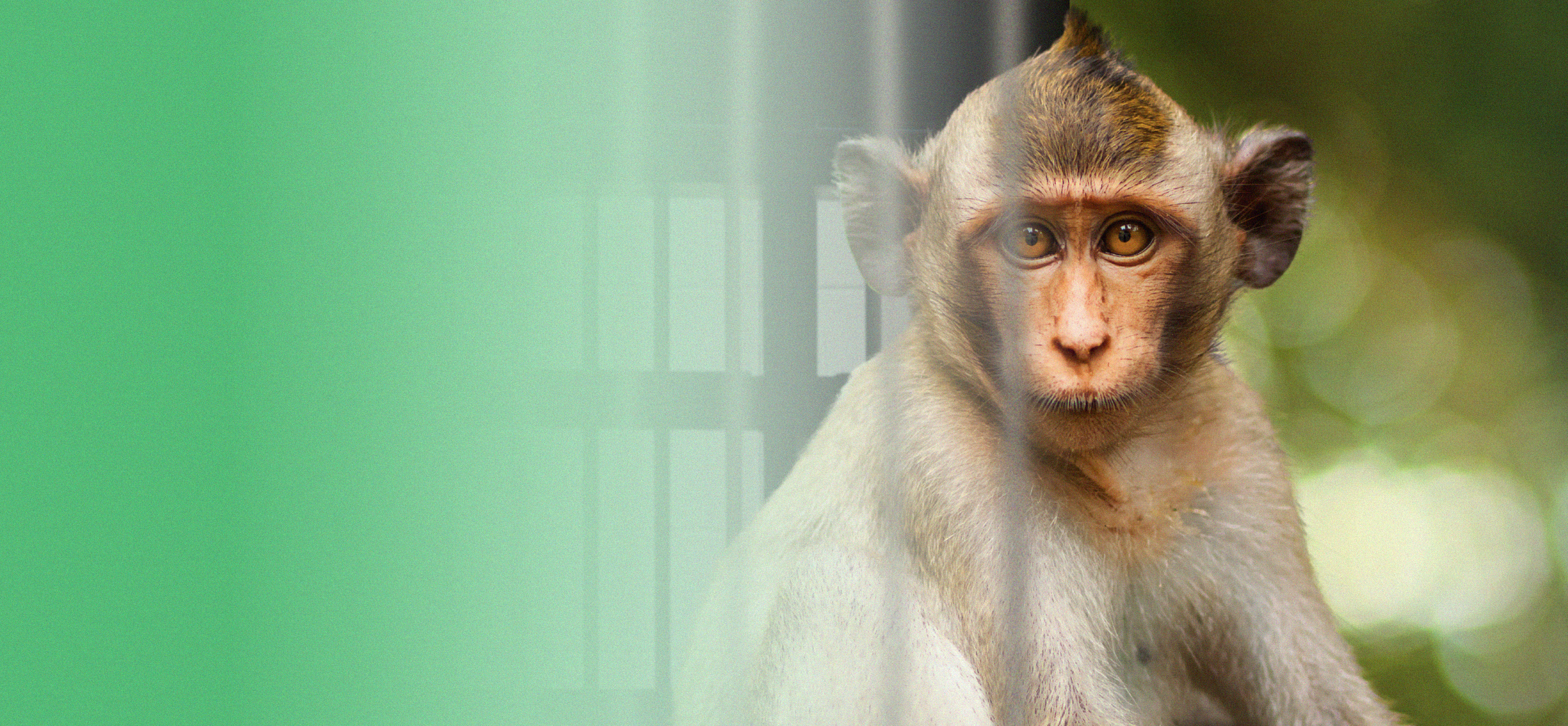
A recent investigation carried out in Cambodia by the British Union for the Abolition of Vivisection (BUAV,http://www.buav.org/) has revealed severe cruelty and suffering during capture, handling, and trade of primates destined for the research industry. The investigation focused on the long-tailed macaque, a protected species listed in Appendix II of CITES (Convention on the International Trade in Endangered Species). Read more
NEAVS Responds to Newsweek
In the September 6, 2008 Newsweek article, “We Fought Cancer…And Cancer Won”, author Sharon Begley discussed the ongoing scientific battle against cancer. She noted that although some genetic breakthroughs have occurred since cancer research began in 1971, Begley cites the many other unsuccessful and costly attempts scientists have made to try to better control and eliminate the disease in humans. Her examples help illustrate a crucial reason why our attempts to cure cancer have failed – research has relied on the use of nonhuman animal models to solve a human-centered disease. Read more
Keeping Cloned Meats out of McDonalds
According to a recent Wall Street Journal article “Polls have shown most consumers are uncomfortable with the idea of eating products from cloned livestock, whether for health, ethical or environmental reasons. At the same time, products from the offspring of cloned animals are trickling into the food supply.” Read more
Vermont Dissection Choice Signed into Law!
The Vermont dissection choice bill (part of H.711) passed the Senate and House and was signed into law on May 20, 2008 by Governor Jim Douglas. Read more
Dogs OUT of medical schools
As of March 2008, all 126 U.S. medical schools stopped using live dogs in their training programs. New York Medical College announced last November that they would no longer use live dogs for teaching. Read more
25,000+ Primates Imported to U.S. in 2007
China leads monkey export market
May 22, 2008 - According to recent figures, China again dominates the monkey export market and is officially listed as the country of origin for about half of all monkeys imported to the US. Read more
NEAVS Submits Comments to NIH Supporting New Public Access Policy March 17, 2008 - On behalf of our members, NEAVS submitted online comments to the National Institutes of Health (NIH), in support of the implementation of the recently passed NIH Public Access Policy. Read more
 Mandatory Alternatives Petition Filed
Coalition Calls for Replacements to Animal Testing
November 14, 2007 - A coalition of animal organizations, of which NEAVS is a founding member, submitted a precedent setting petition to the U.S. government that would potentially save tens of millions of animals from unthinkable suffering and death. Read more
Help Monkeys in Nepal
Help protect monkeys in Nepal and prevent their importation to the U.S. for use in biomedical research in Washington State. Please sign the petition to the Minister of Forestry in Kathmandu asking for a halt to a captive breeding program to provide rhesus monkeys to the Washington National Primate Research Center. Click here for more info and to sign the petition.
Related News
June 12, 2007 - National Research Council news
"Recent advances in systems biology, testing in cells and tissues, and related scientific fields offer the potential to fundamentally change the way chemicals are tested for risks they may pose to humans..."
Read more (National Research Council press release)
|
|
|
|